毕业于华南理工大学建筑学专业,国家一级注册建筑师,英国皇家特许注册建筑师。
从业初期师从香港建筑名家周德年先生(Thomas Chow)。
2014-2020年任广州美术学院环境与艺术学院建筑系外聘客座讲师
2015年创立广州哲迳建筑师事务所
2016 第二届ABBS建筑新媒大奖年度建筑师
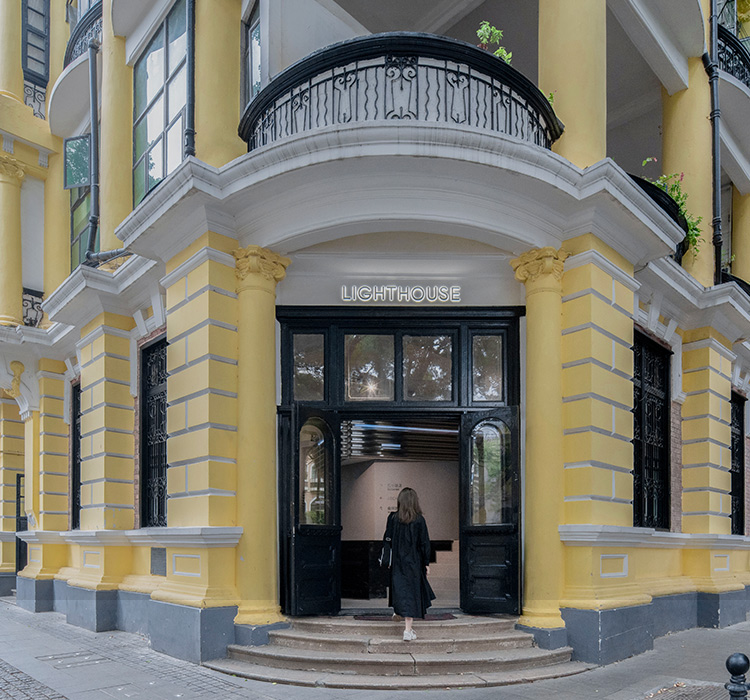
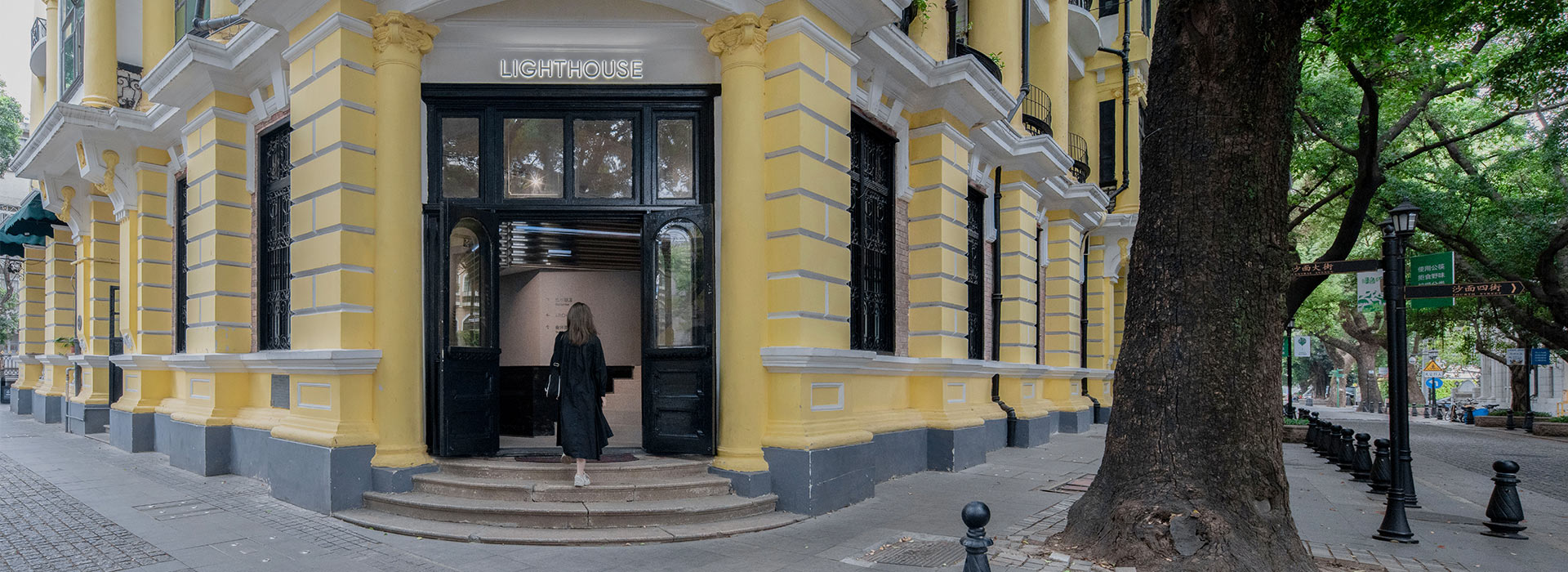
2018年任 LIGHTHOUSE 灯塔文化创意总监
A&D AWARDS 2021 BEST HERITAGE Silver
GOOD DESIGN AWARD 2021 WINNERS
2023 水埠灯影—南京秦淮河双线码头-立体社区国际设计竞赛 第二名
2025 GOLDEN ARCH DESIGN AWARD WINNER
作为一名成长于广州的建筑师,创始人始终关注这座城市在快速变化中的层次与韧性。广州既开放又内敛,既现实又复杂,其历史积淀、城市肌理与日常生活方式,构成了持续研究与思考的对象,也成为设计不断生发的土壤。
在设计实践中,建筑被视为一种与人、场地、城市及时间相互作用的有机存在。通过对城市脉络与在地条件的深入理解,探索设计的“在地连结性”,使每一个项目得以自然嵌入其所处环境,并具备持续生长与演变的可能。
相比形式本身,更关注建筑如何被使用、如何被感知,以及其在长期尺度上所能承担的城市责任。设计不止于空间形态与功能的完成,而是在公共参与、社会关系与城市记忆中,持续生成真实而持久的价值。
Born and raised in Guangzhou, the founder maintains a sustained interest in the city’s layered conditions and resilience amid rapid change. Both open and restrained, pragmatic yet complex, Guangzhou’s historical depth, urban fabric, and everyday life form a continuous field of research and reflection, providing fertile ground for design ideas to emerge.
In practice, architecture is understood as an organic entity shaped through its interaction with people, site, city, and time. By engaging deeply with local conditions and urban continuity, the design process seeks to strengthen place-based connectivity, allowing each project to integrate naturally into its context while remaining adaptable and capable of long-term growth.
Beyond form itself, greater attention is placed on how architecture is used, perceived, and sustained over time. Design is regarded not merely as the resolution of spatial form and function, but as an ongoing contribution to public life, social relationships, and the enduring memory of the city.